Slipped Disc: Symptoms, Causes and How Chiropractic Can Help
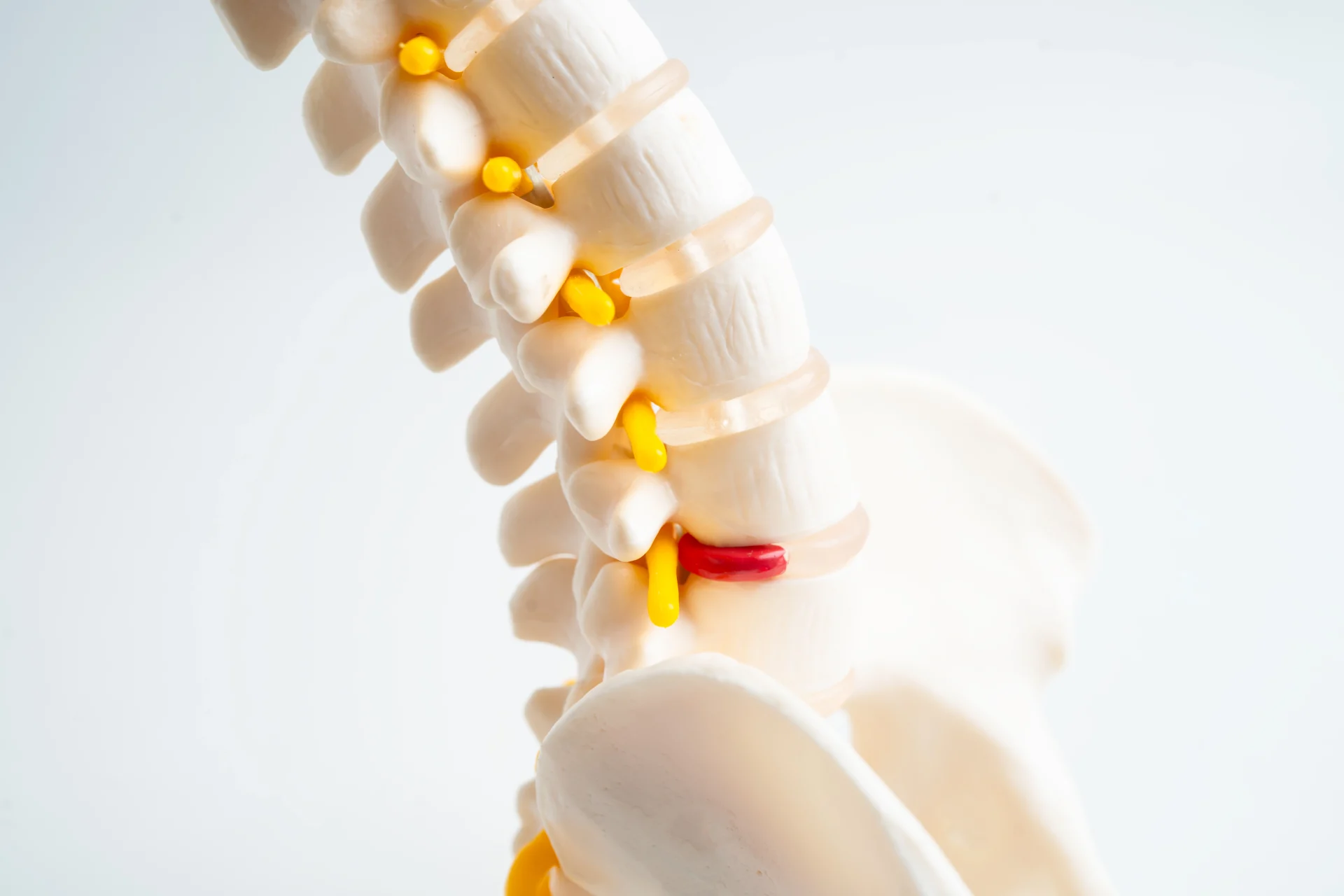
A “slipped disc” is one of the most common injuries when it comes to back or neck pain. Medically, it is often called a disc bulge, herniation or prolapse, but they all describe a similar issue involving the discs in your spine.
If you have been told you have a slipped disc, or suspect you might, understanding what is actually happening and why it occurred is key to getting the right help.
What Is a Slipped Disc?
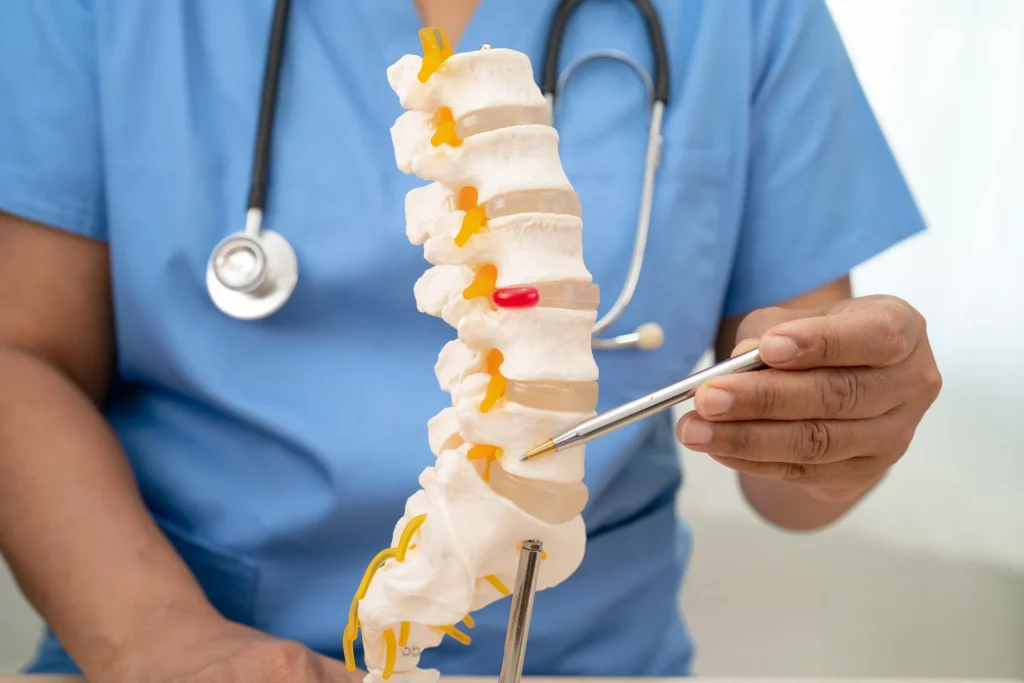
Your spine is made up of bones (vertebrae) with discs in between that act like cushions. These discs help absorb shock and allow movement.
Each disc has:
- A tough outer layer
- A softer gel-like centre
A slipped disc happens when the inner part pushes outwards, often irritating nearby nerves.
In the Lower Back (Lumbar Spine)
This can lead to:
- Lower back pain
- Pain travelling into the buttock or leg (often called sciatica)
- Numbness, tingling or weakness
In the Neck (Cervical Spine)
This may cause:
- Neck pain and stiffness
- Pain into the shoulder, arm or hand
- Pins and needles or weakness in the arm
Why Do Slipped Discs Happen?
Many people think a slipped disc happens suddenly from one movement like bending or lifting.
In reality, that is usually just the final trigger, not the true cause.
A better way to understand it is with this analogy:
🚗 The Car Tyre Analogy
If your car wheels are not aligned properly, the tyre does not wear evenly. Over time, small stresses build up in one area. Eventually, something minor like driving over a bump can cause a blowout.
It is not the bump that caused the problem, it is the long-term faulty mechanics.
Your spine works in a very similar way.
- Poor joint movement
- Imbalances in how your body is loading the spine
- Repetitive stress over time
All of these can place uneven pressure on a disc. Eventually, that pressure builds to a point where even a small movement becomes the “final straw”.
How Can Chiropractic Help a Slipped Disc?
It is important to be clear:
👉 Chiropractic does not “push the disc back in”
Instead, chiropractic focuses on addressing the underlying cause of why the disc was overloaded in the first place.
What We Aim to Do:
1. Improve Spinal Mechanics
By correcting areas of poor movement in the spine, we reduce abnormal stress on the disc.
2. Reduce Pressure on the Disc
Better joint function helps distribute load more evenly, taking pressure off the injured area.
3. Support Natural Healing
When pressure is reduced, the body has a better environment to heal the disc and calm inflammation.
4. Reduce Nerve Irritation
As inflammation settles and mechanics improve, symptoms like pain, tingling or weakness often improve too.
Why the Cause Matters More Than the Pain
Pain is often the last thing to show up, not the first problem.
That means you could have had stress building in your spine for weeks, months or even years before symptoms appeared.
If you only chase the pain, you miss the real issue.
Your First Step: A Thorough Assessment
Before anything else, the most important step is to understand:
- What has actually caused your disc problem
- Where the dysfunction is coming from
- Whether chiropractic is the right approach for you
At our clinic, we carry out a detailed assessment using a Gonstead approach to identify exactly what is going on.
From there, we can:
- Decide if we can help
- Explain how we can help
- Create a plan tailored to you and your goals
Final Thoughts
A slipped disc is rarely just a random injury. It is usually the result of long-term stress and faulty mechanics building up over time.
The good news is, when you address the cause and not just the symptoms, your body has a far better chance of recovering properly.
If you are dealing with symptoms or want to understand what is going on with your spine, the best place to start is with a professional assessment.
